
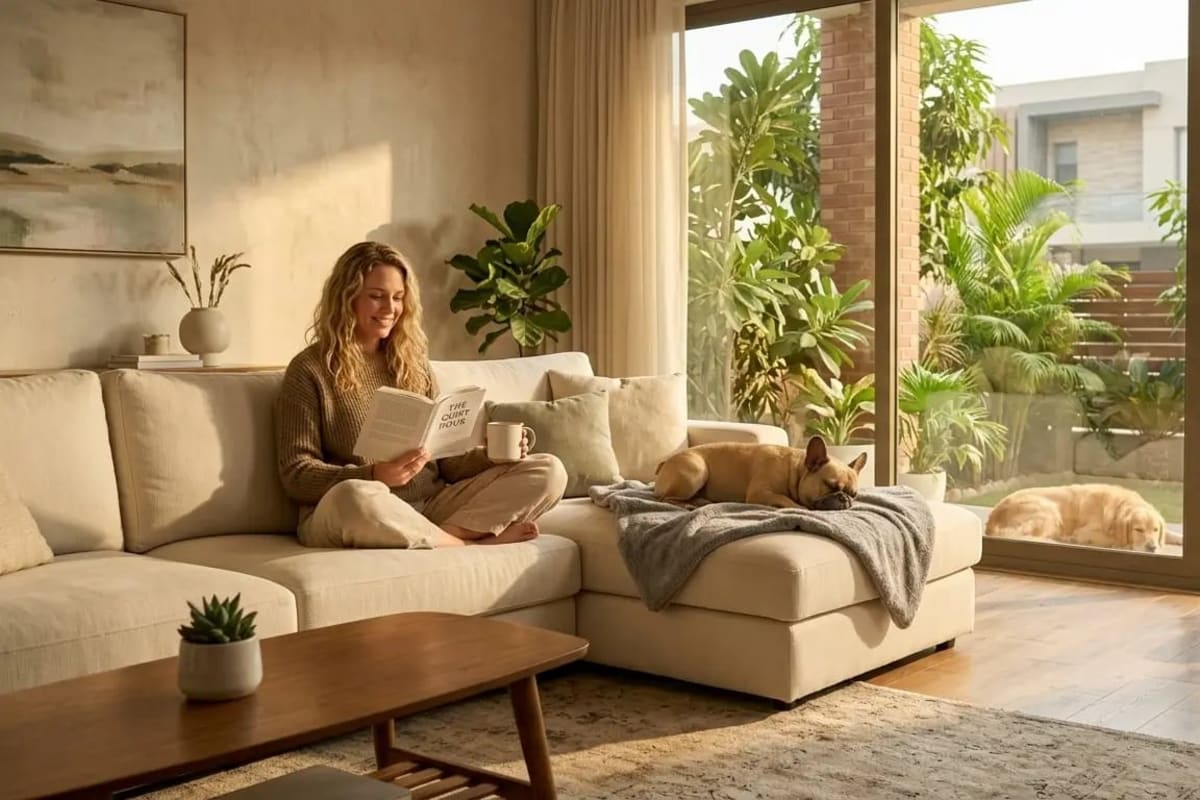
When Marcus adopted a Siberian Husky, he assumed the dog would love living in the backyard. The breed looked built for the outdoors. Within three months, his neighbors were calling about constant barking, the fence had been dug under twice, and the dog had developed patches of anxious fur-chewing. The vet's advice was simple: bring him inside. Understanding the real difference between indoor vs outdoor dogs could have saved Marcus months of stress and his dog a lot of suffering. This guide gives you the honest breakdown.
What Is the Real Difference Between Indoor and Outdoor Dogs?
The terms "indoor dog" and "outdoor dog" are not really about the dog. They describe a living arrangement that owners choose, and those choices carry real consequences for how a dog feels, behaves, and how long it lives.
How Dog History Shaped the Indoor vs Outdoor Debate
Historically, dogs lived and worked alongside humans as herders, hunters, and guardians. The idea of a "backyard dog" is relatively modern and largely disconnected from how dogs actually evolved. Dogs are wired for social connection, not solitary confinement behind a fence.
What "Indoor Dog" and "Outdoor Dog" Actually Mean Today
An indoor dog lives primarily inside the home and goes outside for exercise, play, and bathroom breaks. An outdoor dog spends most or all of its time outside, often in a yard or kennel. Many owners operate somewhere between the two, which is where the best outcomes tend to happen.
Are Dogs Happier Living Inside or Outside? What the Research Shows
The evidence leans clearly in one direction. Dogs are not solitary animals. They are pack animals who need social interaction to maintain stable mental health. Research consistently shows that dogs left alone outdoors are far more likely to develop behavioral problems than dogs who live with their families inside.
Dogs as Pack Animals: Why Social Isolation Outdoors Causes Behavioral Problems
Isolation is one of the leading triggers for canine anxiety and aggression. A dog left alone in a yard is not living its best life. It is separated from its pack, which in a domestic setting means you and your family. The result is often excessive barking, destructive digging, fence aggression, and self-directed behaviors like chewing or licking.
These are not personality flaws. They are symptoms of a dog that is not getting what it needs. The American Veterinary Medical Association emphasizes that dogs need regular social interaction with people and other animals to maintain good behavioral health.
Pros and Cons of Keeping a Dog Indoors
| ✓ Pros of Indoor Living | ✗ Cons of Indoor Living |
|---|---|
| Strong human-dog bond | Requires consistent house training |
| Easier health monitoring | Limited space in smaller homes |
| Protection from extreme weather | More frequent grooming for shedding breeds |
| Lower parasite and disease exposure | Exercise depends entirely on owner effort |
| Reduced theft and predator risk | Potential for destructive behavior if under-stimulated |
Key Benefits of Indoor Living for Dogs
Living indoors means your dog is with you, which is exactly where dogs want to be. You notice health changes faster, from limping to lethargy, because you see your dog every day. Indoor dogs are also protected from heatstroke, freezing temperatures, insect bites, snake encounters, and the very real risk of theft.
According to research published through the National Institutes of Health, obesity is the single biggest health and welfare issue affecting pet dogs, and indoor dogs that get appropriate daily exercise actually maintain healthier weights than poorly managed outdoor dogs that have little structured activity.
Real Challenges of Keeping Dogs Inside
Space is the honest challenge. High-energy working breeds in small apartments without adequate daily exercise quickly become frustrated and destructive. The indoor dog lifestyle only works when exercise is non-negotiable. A tired dog is a well-behaved dog, regardless of where it sleeps.
Pros and Cons of Keeping a Dog Outdoors
Genuine Benefits of Outdoor Living for the Right Dog
Large, working breeds with high exercise needs and heavy coats, think Alaskan Malamutes or Great Pyrenees, do genuinely enjoy extended outdoor time. Yards offer natural stimulation through smells, sounds, and space to move freely. For dogs that have adequate shelter, human interaction, and a companion animal nearby, outdoor time supports physical health.
Serious Risks of Keeping Dogs Outside Full Time
- Heatstroke and hypothermia from temperature extremes
- Flea, tick, and heartworm exposure
- Theft or attacks from predatory wildlife
- Fence-jumping or escape attempts driven by boredom
- Behavioral deterioration from social isolation
- Access to toxic plants, fertilizers, and chemicals in the yard
These risks do not mean a yard is dangerous. They mean a yard without supervision and human contact is.
Is It Cruel to Keep a Dog Outside All the Time?
This is the question most people are actually asking, and it deserves a direct answer. For the vast majority of dogs, yes, keeping them outside all the time causes real harm. Not dramatically, not overnight, but steadily.
The Psychological Damage of Backyard Isolation
Dogs that spend their lives chained or confined to a yard without meaningful human interaction develop what animal behaviorists describe as chronic stress. This shows up as repetitive pacing, hyperactivity, destructive digging, and what looks like aggression but is actually anxiety. The dog is not bad. The setup is.
When Outdoor Living Is Acceptable vs. When It Becomes Harmful
Outdoor living becomes acceptable only when all of these conditions are met: the dog has appropriate shelter from weather, fresh water and food at all times, daily human interaction and affection, and regular veterinary care. Outdoor living becomes harmful the moment any one of those conditions is missing, or when it replaces the companionship dogs are biologically built to need.
Do Indoor Dogs Live Longer Than Outdoor Dogs?
The data suggests yes, and the margin is meaningful. A landmark 14-year study by the Purina Institute found that dogs maintained at a lean, healthy body weight lived nearly two years longer than their heavier counterparts, representing roughly a 15% increase in median lifespan. While this study focused on diet, it directly connects to indoor living: owners who monitor their dogs closely tend to catch weight gain and health changes earlier.
Health Risks That Shorten Outdoor Dogs' Lives
Outdoor dogs face year-round exposure to parasites, including fleas, ticks, and mosquitoes carrying heartworm. They are more likely to sustain injuries from encounters with wildlife, other dogs, or hazards in the yard. They are less likely to receive timely veterinary attention simply because their owners do not see them as often.
Research through the CDC and HABRI found that dog owners are roughly 34% more likely to meet the recommended daily physical activity targets than people without dogs, which means the relationship benefits both species when exercise is made a consistent part of the routine.
Best Dog Breeds for Indoor Living vs Outdoor Living
- French Bulldog
- Cavalier King Charles Spaniel
- Shih Tzu
- Pug
- Maltese
- Greyhound (lower energy than expected)
- Basset Hound
- Bichon Frise
- Siberian Husky
- Bernese Mountain Dog
- Alaskan Malamute
- Great Pyrenees
- Australian Shepherd
- Border Collie
Brachycephalic breeds cannot regulate their body temperature the way other dogs can. Bulldogs, Pugs, French Bulldogs, Boston Terriers, and Boxers are at serious risk of heatstroke outdoors and should never be left outside unsupervised, particularly in warm climates. Toy breeds like Chihuahuas and Yorkshire Terriers are also highly vulnerable to cold, heat, and predators.
The Smart Hybrid Approach: Best of Both Worlds
The best answer to the indoor vs outdoor dogs debate is not one or the other. It is a structured routine that gives your dog the safety and bonding of indoor life with the stimulation and exercise that outdoor time provides.
What a Practical Hybrid Indoor/Outdoor Routine Looks Like
- Morning 20 to 30 minute walk or active play session outdoors
- Daytime Inside with the family, with enrichment toys or a window perch
- Afternoon Short outdoor bathroom break and sniff session in the yard
- Evening Second walk or play session, then rest indoors overnight
A doggy door that allows supervised access to a safely fenced yard adds flexibility without sacrificing security.
How to Set Up a Safe Outdoor Space for a Primarily Indoor Dog
A safe outdoor space includes a shaded area for hot days, shelter from wind and rain, a secured fence with no gaps or dig-proof edging, fresh water that does not freeze in winter, and removal of toxic plants. Check that the yard is free of pesticides and herbicides before giving your dog unsupervised access.
Legal and Ethical Considerations for Outdoor Dogs by U.S. State
This is something almost no pet guide covers, and it matters. Many U.S. states have specific laws governing how long dogs can legally be kept outside based on temperature, what kind of shelter is required, and whether tethering is allowed.
Temperature Laws and Shelter Requirements for Outdoor Dogs
States including California, New York, Illinois, and Pennsylvania have enacted laws prohibiting dogs from being left outside in extreme heat or cold without adequate shelter, water, and shade. Some states specify minimum shelter dimensions and insulation requirements. Violations can result in animal cruelty charges.
Signs Your Outdoor Dog Setup May Not Meet Welfare Standards
- Constant barking or whining when left outside
- Repetitive pacing along the fence line
- Weight loss or visible ribs
- Wounds or injuries not noticed promptly
- Aggression that was not present before living outdoors
How Much Outdoor Time Does an Indoor Dog Need Each Day?
The answer depends heavily on breed size and energy level.
| Breed Size and Energy | Example Breeds | Daily Outdoor Time |
|---|---|---|
| Small, low-energy | Shih Tzu, Maltese | 30 min daily |
| Medium, moderate-energy | Beagle, Cocker Spaniel | 45-60 min daily |
| Large, high-energy | Labrador, Border Collie | 90 min to 2 hrs daily |
Watch for destructive chewing, excessive barking, restlessness at night, jumping on people, and weight gain. These are not behavioral problems in the traditional sense. They are a dog telling you it needs more movement and stimulation.
FAQ: Indoor vs Outdoor Dogs
Find the Right Setup for Your Dog Today
Whether your dog is already inside or out, a simple daily routine adjustment can make a real difference in their happiness and health. Start with one extra walk this week.
Build Your Dog's Routine →